
The return-to-office reversal: what the data actually shows in 2026
Both sides of the RTO debate cherry-pick the numbers. Here's the actual state of remote, hybrid, and on-site hiring in 2026, without the fighting.
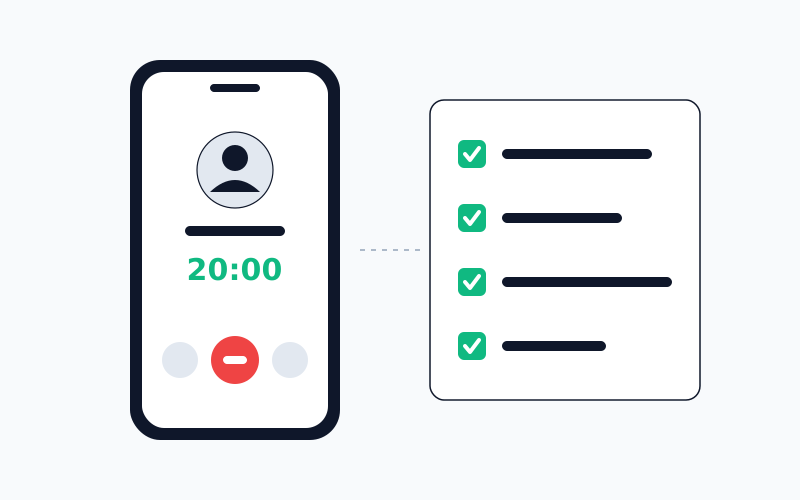

The first call is short, but it filters more candidates than any other stage. What the recruiter is listening for, and how to answer the money question.
A counter-offer fixes the number, rarely the reason you looked. How to weigh one honestly, and how to turn it down without burning the bridge.
A fair take-home is a few hours, scoped, and reviewed by a person. How to tell a reasonable one from free consulting, and what to say when it isn't.
The last five minutes of an interview are yours. The questions that get real answers, matched to who you're talking to and how far along you are.
The bigger number is the easy part. How to put two offers side by side so equity, growth, the manager and the deadline all get a fair hearing.

Most rejection advice is either 'don't take it personally' or 'learn from every no.' Both are incomplete. Here's a more useful frame.
Most informational interviews die politely at the end. Here's the specific shape of the ones that convert into referrals, interviews, and offers.
LinkedIn's green banner is either career rocket fuel or a scarlet letter, depending on who you ask. Here's what it actually does.
The call you never hear is often the call that decides. Here's what hiring teams ask and how to set your references up to answer well.
Every job description says the same things on the surface. The useful signal is in what's oddly specific, oddly missing, or oddly worded. Here's how to read it.
Cut through the hype: here's what's genuinely different about job search and hiring now, and what's still exactly the same.
You nailed the onsite. The recruiter said they'd be in touch Monday. It's now Thursday. Here's what's usually happening and what to do about it.
The standard advice says a career change means a new degree and three entry-level years. Most pivots don't. Here's how to map and frame the transition honestly.
Most LinkedIn advice is cargo-culted. Here's what actually moves the needle when recruiters are searching.
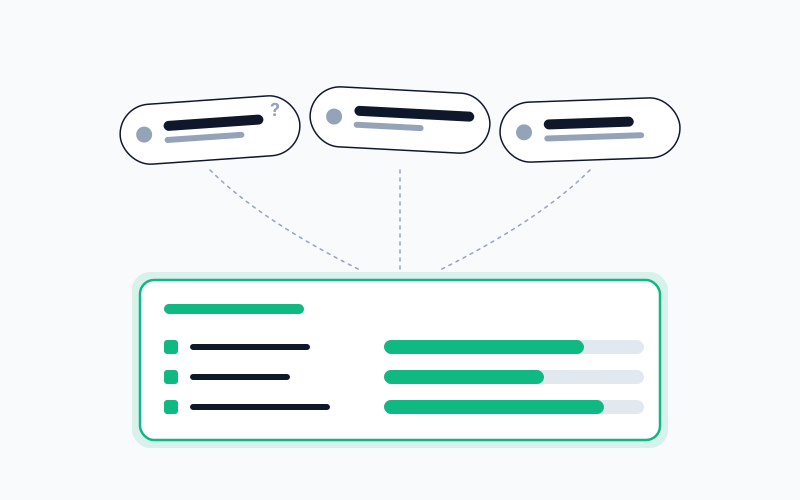
Every modern job tool puts a percentage next to a role. That number is useful only if you understand what it is, and what it isn't.
A US resume will get you rejected in Germany. A German Lebenslauf will fail ATS in the US. Here's the country-by-country map of what actually changes.
Most job-search automations drown you in 100 irrelevant emails a week. Here's how to set one up so it saves time instead of becoming a second job.
Most interview advice is about performing. This one's about noticing. Here are the red flags that mean the job isn't worth the offer, even if the offer comes.

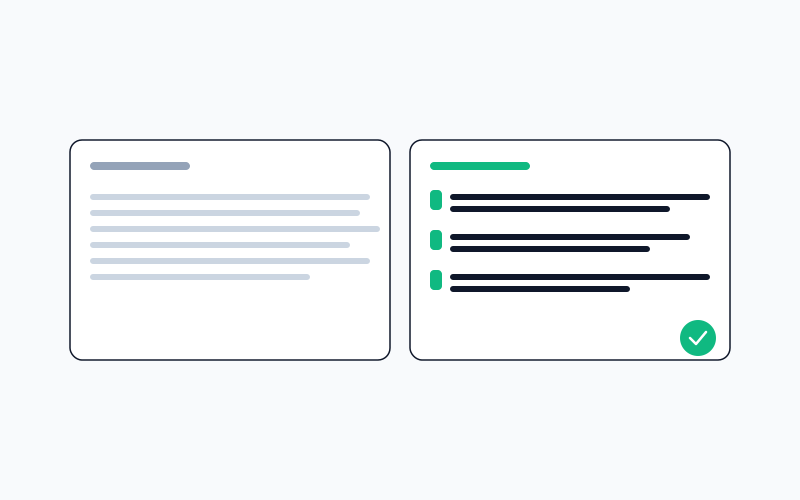
'Tailor your CV for each job' is universal advice and almost universally misunderstood. Here's what actually moves, with concrete before-and-after examples.
LinkedIn Premium, resume builders, coaching, courses: a real job search now runs a full software stack. Here's where the money actually produces outcomes.
Most cover letters are skipped. Here's how to write one worth the 45 seconds a recruiter might give it.
Most CVs get written once, during a job search, and then ignored until the next one. That's backwards. Here's the maintenance habit that pays off.
A cover letter in German isn't an English one run through a translator. The parts that matter most are conventions, not sentences.
Opening LinkedIn five times a day feels like job-searching. It mostly isn't. Here's why scheduled-delivery habits beat browsing-based ones.
Every interview starts with it. Most candidates answer it badly. Here's the specific structure that gets the interview off on the right foot, with examples.
Gaps don't sink applications. Bad framing of gaps does. Here's how to handle six months or three years off the timeline, on the resume and in the interview.
Every engineering resume looks the same, which is the whole problem. Here's the specific structure that actually gets read, with what to cut and what to add.
The honest reason you're leaving is rarely the right interview answer. Here's how to be truthful without burning your current employer, in every common case.
Most resume summaries are skipped in the six-second scan. Here's the specific structure that earns attention, with weak vs strong examples across seniority.
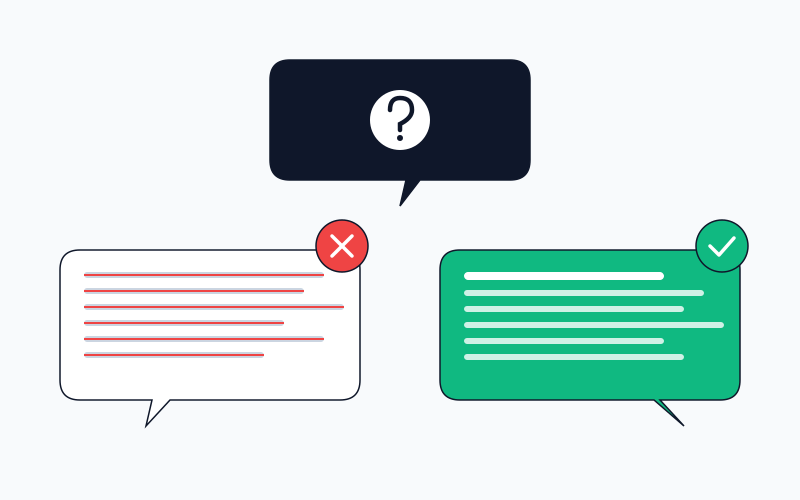
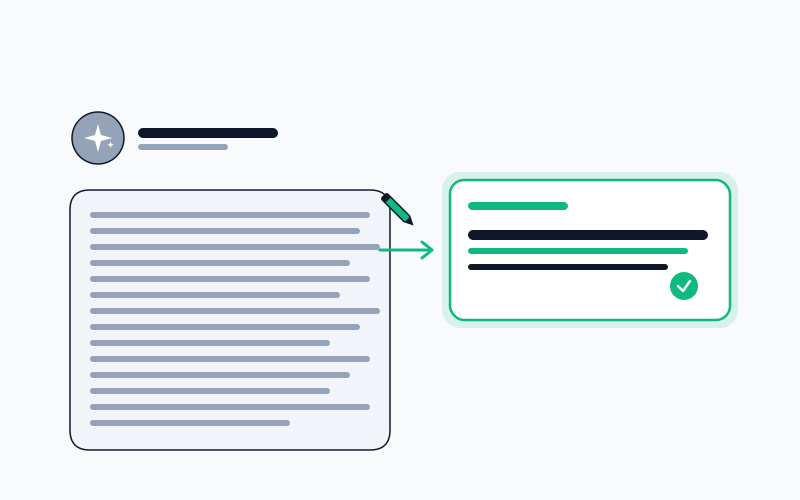
Recruiters can tell when a resume was written by AI. The fix isn't not using it: it's using it for specific tasks and editing out the tells.
The '200 power verbs' lists you've seen are full of verbs that signal junior thinking. Here's the short list of verbs that actually make bullets stronger.
Hiring isn't flat across the year. There are genuinely better and worse weeks to submit applications, and the best ones differ by industry.
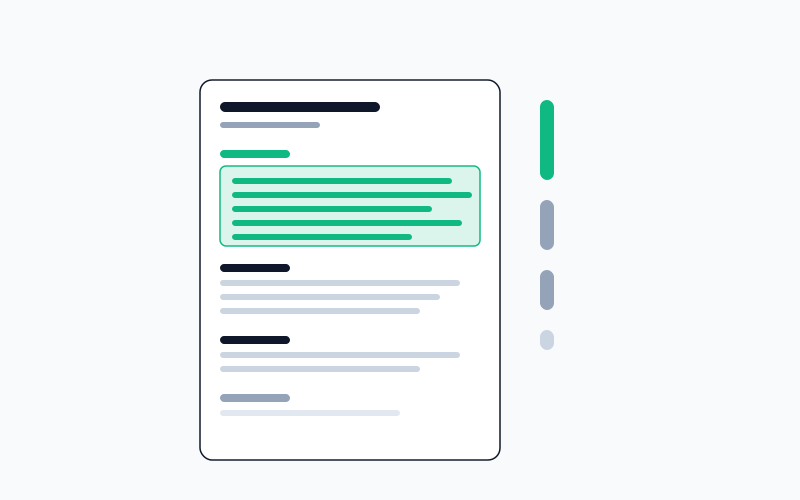
Most resumes get filtered out before a human ever sees them. Here's what actually happens and how to fix it.
Salary negotiation advice often feels manipulative. Here's how to advocate for yourself while still being genuine.
The line between persistent and pushy is thinner than you think. Here's how to walk it.
Searching for a new job while you have one is a logistics puzzle. Here's how to manage it without getting caught or burning out.
A 'Senior Engineer' at one company is a 'Staff Engineer' at another. Here's how to decode the title chaos.
Not all remote jobs are equal. Some want you in the office twice a week. Here's how to find truly flexible roles.
No spam. Unsubscribe anytime.